
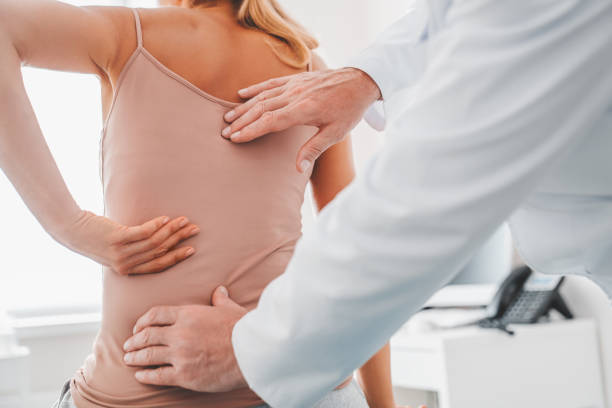
Low Back Pain Ayurvedic Treatment Mumbai India
Understanding Low Back Pain Through Ayurvedic Lens
Low back pain has become one of the most common health complaints in modern urban life, affecting millions in Mumbai and across India. Ayurvedic treatment offers a holistic, time-tested approach to addressing this debilitating condition without relying solely on pain medications or invasive procedures.
What Causes Low Back Pain According to Ayurveda?
- Vata dosha imbalance is the primary cause of most lower back pain conditions in Ayurvedic medicine
- Vata governs all movement in the body, including nerve impulses and muscle contractions
- When aggravated, Vata causes dryness, stiffness, and pain in the lumbar region
- Modern lifestyle factors like prolonged sitting, poor posture, and stress further aggravate Vata dosha
- Kapha dosha imbalance can lead to stiffness and reduced mobility in the spine
- Ama (toxins) accumulation in joints and tissues contributes to chronic back pain
- Weak digestive fire (Agni) leads to improper nutrition of spinal tissues
- Sciatica, spondylosis, disc herniation, and muscle strain are common manifestations
Comprehensive Ayurvedic Assessment in Mumbai
- Ayurvedic doctors in Mumbai conduct thorough Prakriti (constitutional) analysis
- Nadi Pariksha (pulse diagnosis) helps identify dosha imbalances causing pain
- Detailed examination of lifestyle, diet, and daily routines
- Assessment of digestive health and metabolic function
- Evaluation of occupational factors contributing to backache
- Physical examination of spine alignment, muscle strength, and flexibility
- Understanding pain patterns, intensity, and aggravating factors
- Integration of modern diagnostic reports like MRI and X-rays with Ayurvedic assessment
Panchakarma Therapies for Lower Back Pain
Abhyanga (Therapeutic Oil Massage)
- Warm medicated oil massage using specific herbal oils like Mahanarayana taila, Ksheerabala taila, or Dhanwantharam taila
- Promotes blood circulation and reduces muscle tension in the lumbar spine
- Nourishes tissues and balances Vata dosha
- Should be performed by trained Ayurvedic therapists for maximum benefit
- Typically administered for 45-60 minutes focusing on affected areas
Kati Basti (Lower Back Oil Pooling)
- Specialized treatment where warm medicated oil is retained over the lower back using a dough dam
- Provides deep tissue nourishment and pain relief
- Extremely effective for degenerative disc disease, sciatica, and chronic backache
- Oil is kept warm and retained for 30-45 minutes
- Usually recommended as a course of 7-21 sessions
- One of the most sought-after back pain treatments in Mumbai clinics
Patra Pinda Sweda (Herbal Bolus Therapy)
- Therapeutic massage using heated boluses containing medicinal leaves
- Common herbs include Nirgundi, Eranda, Rasna, and Shigru
- Reduces inflammation, stiffness, and muscle spasms
- Improves joint mobility and flexibility
- Particularly beneficial for arthritis-related back pain
Navarakizhi (Shashtika Shali Pinda Sweda)
- Massage with boluses of cooked Navara rice and medicated milk
- Strengthens muscles, bones, and connective tissues
- Provides deep nourishment to spinal structures
- Excellent for degenerative conditions and chronic weakness
Basti (Medicated Enema Therapy)
- Considered the most effective treatment for Vata disorders
- Anuvasana Basti (oil enema) and Niruha Basti (decoction enema) are administered
- Directly targets the colon, the primary site of Vata
- Helps in detoxification and rejuvenation of the body
- Usually administered as a course ranging from 8 to 30 sessions
- Provides long-lasting relief from chronic lower back pain
Ayurvedic Herbs for Back Pain Management
Powerful Anti-Inflammatory Herbs
- Shallaki (Boswellia serrata): Reduces inflammation and joint pain, improves mobility
- Guggulu (Commiphora mukul): Excellent for arthritis, sciatica, and degenerative disc disease
- Ashwagandha (Withania somnifera): Strengthens muscles, reduces stress, balances Vata
- Nirgundi (Vitex negundo): Powerful analgesic and anti-inflammatory properties
- Rasna (Pluchea lanceolata): Specifically beneficial for musculoskeletal pain
- Shunthi (Ginger): Reduces inflammation and improves circulation
Rejuvenating Formulations
- Yogaraja Guggulu: Classical formulation for all types of musculoskeletal disorders
- Maharasnadi Kwath: Decoction effective in Vata-related pain
- Dashmula: Combination of ten roots that pacify Vata and reduce pain
- Lakshadi Guggulu: Strengthens bones and promotes healing
- Trayodashanga Guggulu: Beneficial for joint disorders and sciatica
Diet and Lifestyle Modifications (Pathya)
Dietary Recommendations
- Include warm, cooked, easily digestible foods
- Use ghee, sesame oil, and healthy fats in moderate amounts
- Incorporate anti-inflammatory spices like turmeric, ginger, cumin, and black pepper
- Consume bone broth, soups, and warm liquids
- Include calcium-rich foods like sesame seeds, dairy products, and green leafy vegetables
- Avoid cold, raw, dry, and processed foods
- Minimize caffeine, alcohol, and refined sugars
- Stay well-hydrated with warm water throughout the day
Lifestyle Guidelines
- Maintain proper posture while sitting, standing, and sleeping
- Use ergonomic furniture and lumbar support at work
- Practice gentle yoga asanas like Bhujangasana (Cobra pose), Shalabhasana (Locust pose), and Marjariasana (Cat-cow pose)
- Perform Pranayama (breathing exercises) to reduce stress and balance Vata
- Ensure adequate sleep (7-8 hours) preferably before 10 PM
- Apply warm compresses or take warm baths with Epsom salt
- Avoid prolonged sitting or standing in one position
- Practice stress management through meditation and mindfulness
- Maintain healthy body weight to reduce pressure on the spine
Yoga and Exercises for Back Pain Relief
Beneficial Yoga Asanas
- Tadasana (Mountain Pose): Improves posture and spinal alignment
- Marjariasana-Bitilasana (Cat-Cow): Increases flexibility and relieves tension
- Balasana (Child’s Pose): Gentle stretch for lower back muscles
- Setu Bandhasana (Bridge Pose): Strengthens back muscles and core
- Supta Padangusthasana (Reclining Hand-to-Big-Toe): Stretches hamstrings and relieves sciatica
- Apanasana (Knee-to-Chest Pose): Releases lower back tension
Core Strengthening
- Strong core muscles support the lumbar spine
- Practice gentle abdominal exercises and pelvic tilts
- Plank variations build stability and endurance
- Always work within comfortable limits, avoiding strain
Why Choose Ayurvedic Treatment in Mumbai?
Holistic Approach
- Ayurveda addresses the root cause rather than just symptoms
- Treats the whole person—body, mind, and spirit
- Focuses on prevention and long-term wellness
- No dependency on pain medications or steroids
- Minimal to no side effects when administered properly
Expert Practitioners in Mumbai
- Mumbai hosts numerous experienced Ayurvedic physicians and Panchakarma centers
- Many practitioners combine traditional knowledge with modern diagnostic understanding
- BAMS doctors (Bachelor of Ayurvedic Medicine and Surgery) provide qualified care
- Authentic Kerala Ayurveda centers are well-established in Mumbai
- Treatment plans are personalized based on individual constitution and condition
Accessibility and Infrastructure
- Mumbai offers world-class Ayurvedic hospitals and wellness centers
- Treatment facilities range from budget-friendly to premium options
- Many centers provide residential Panchakarma programs
- Easy accessibility from all parts of Mumbai and India
- Integration with complementary therapies like physiotherapy when needed
Treatment Duration and Expected Results
- Acute back pain: May respond within 7-14 days of treatment
- Chronic conditions: Require 21-90 days of comprehensive therapy
- Panchakarma courses: Typically range from 7 to 21 days
- Maintenance therapy: Periodic follow-up treatments recommended
- Lifestyle modifications: Should be continued indefinitely for sustained results
- Most patients experience significant pain reduction, improved mobility, and better quality of life
- Success rate depends on condition severity, patient compliance, and overall health status
Integration with Modern Medicine
- Ayurvedic treatment can be safely combined with conventional medicine in most cases
- Inform your Ayurvedic doctor about all medications you’re taking
- MRI, CT scans, and blood tests help in accurate diagnosis
- Surgical cases may benefit from Ayurvedic post-operative care
- Multidisciplinary approach often yields the best outcomes for complex cases
Cost of Ayurvedic Treatment in Mumbai
- Consultation fees: ₹500 – ₹2,000 per session
- Single Panchakarma therapy: ₹800 – ₹3,000 per session
- Complete treatment course: ₹15,000 – ₹1,50,000 depending on duration and facility
- Herbal medicines: ₹1,000 – ₹5,000 per month
- Many centers offer package deals for comprehensive treatments
- Insurance coverage may be available in some cases
Finding the Right Ayurvedic Center in Mumbai
Key Factors to Consider
- Verify qualifications and registration of practitioners
- Check for authentic Panchakarma facilities and trained therapists
- Read patient reviews and testimonials
- Ensure clean, hygienic treatment environment
- Look for centers with experienced doctors specializing in musculoskeletal disorders
- Inquire about follow-up care and support
- Premium areas like Andheri, Bandra, Juhu, Thane, Navi Mumbai, and South Mumbai have reputable centers
Prevention and Long-Term Wellness
- Regular Ayurvedic consultations for seasonal balancing
- Annual or bi-annual Panchakarma detoxification
- Daily self-massage with warm oil
- Maintaining healthy weight and regular exercise
- Ergonomic workplace setup and proper lifting techniques
- Stress management through meditation and yoga
- Following Dinacharya (daily routine) and Ritucharya (seasonal routine)
- Early intervention at first signs of discomfort
Frequently Asked Questions (FAQ)
1. How effective is Ayurvedic treatment for chronic lower back pain?
Ayurvedic treatment is highly effective for chronic lower back pain, especially when conventional treatments provide limited relief. Studies show that therapies like Kati Basti and Panchakarma provide significant pain reduction and improved functionality in 70-85% of patients. The success depends on the underlying cause, duration of illness, and patient compliance with dietary and lifestyle modifications. Unlike painkillers that mask symptoms, Ayurveda addresses the root cause by balancing doshas, reducing inflammation, and strengthening spinal structures. Most patients experience noticeable improvement within 2-3 weeks of comprehensive treatment.
2. How long does Ayurvedic treatment take to show results for back pain?
The timeline varies based on condition severity. Acute back pain from recent muscle strain may respond within 7-14 days with appropriate therapies and rest. Chronic conditions like degenerative disc disease, spondylosis, or sciatica typically require 4-12 weeks of treatment for significant improvement. A complete Panchakarma course of 21-28 days is often recommended for chronic cases. However, many patients report some pain relief and improved mobility within the first week itself. Maintenance therapy and continued lifestyle modifications ensure long-lasting results and prevent recurrence.
3. Is Ayurvedic treatment safe? Are there any side effects?
When administered by qualified Ayurvedic practitioners, treatments are generally very safe with minimal side effects. Panchakarma therapies like Basti and Kati Basti use natural ingredients and have been practiced safely for thousands of years. However, it’s crucial to inform your doctor about existing health conditions, allergies, and medications. Some people may experience temporary detoxification symptoms like mild fatigue or digestive changes during Panchakarma, which are normal and resolve quickly. Herbal medicines should be taken in prescribed dosages. Always consult qualified BAMS doctors and avoid self-medication or unverified practitioners.
4. Can I continue my regular medications while taking Ayurvedic treatment?
Yes, in most cases Ayurvedic treatment can be safely combined with conventional medications. However, complete transparency is essential—inform both your Ayurvedic doctor and allopathic physician about all treatments you’re receiving. Your Ayurvedic practitioner will design a treatment plan that complements your existing medications. As Ayurvedic treatments progress and symptoms improve, your allopathic doctor may gradually reduce pain medications or anti-inflammatories. Never stop prescribed medications without consulting your doctor. This integrative approach often provides the best outcomes, especially for chronic conditions.
5. What is the cost of complete Ayurvedic treatment for back pain in Mumbai?
The cost varies significantly based on the treatment facility, duration, and therapies required. A basic consultation ranges from ₹500-₹2,000. Individual Panchakarma sessions cost ₹800-₹3,000 per sitting. A comprehensive 7-14 day treatment package including multiple therapies might cost ₹15,000-₹50,000 at standard centers, while premium wellness resorts may charge ₹50,000-₹1,50,000 for 21-day programs. Monthly herbal medications add ₹1,000-₹5,000. Many centers in Mumbai offer flexible packages and payment plans. While quality care requires investment, the long-term benefits and reduced dependency on pain medications make it cost-effective.

Reviews
There are no reviews yet.