
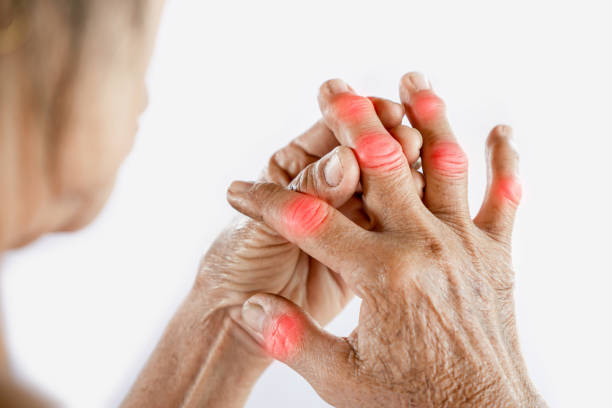
If you’re looking for an effective osteoporosis-free alternative (well, actually for osteoarthritis) or a gentler way to treat joint pain, then osteoarthritis ayurvedic treatment in Mumbai India offers a promising route.
In this piece we’ll explore how Ayurvedic approaches address osteoarthritis, what to expect in Mumbai, how treatments work, what lifestyle and diet changes matter, and the practical steps you can take right away. We’ll use simple English, clear pointers, and include relevant cluster and semantic keywords so you get a full picture.
What is Osteoarthritis and Why Consider Ayurvedic Treatment?
-
Osteoarthritis (also called “degenerative joint disease”) is the gradual breakdown of cartilage in joints, often with pain, stiffness and limited mobility.
-
In Ayurveda, this condition is often viewed as imbalance of the Vata dosha, accumulation of ama (toxins) and weak dhatus (body tissues) in the joints.
-
When you look at osteoarthritis ayurvedic treatment Mumbai India, you’re entering a path that emphasises holistic healing: diet, herbal medicines, external therapies, gentle movement, and lifestyle shifts.
-
Why consider it? Because modern treatment often focuses on pain-killers, joint replacement and mechanical fixes. Ayurvedic treatment offers:
-
Natural joint pain relief via herbs and oils (cluster: herbal remedies osteoarthritis Ayurveda Mumbai)
-
Slowing further joint degeneration (semantic: joint degeneration ayurvedic therapy Mumbai)
-
Improved mobility, flexibility and quality of life, not just symptom masking.
-
-
For those in Mumbai, you’ll find Ayurveda clinics specializing in “sandhivata” (a classical term for joint degeneration) and offering tailored programmes.
Key Principles of Ayurvedic Treatment for Osteoarthritis
-
Balance the Vata dosha: Since Vata governs movement and joint function, its aggravation leads to dryness, stiffness and pain. Correcting Vata is central.
-
Remove ama (toxins): Toxins may accumulate in joints when digestion or metabolism is weak. Treatment helps eliminate ama and restore tissue health.
-
Strengthen dhatus (body tissues): Especially the asthi (bone) dhatu and majja (marrow/nerve) dhatu, so the joint matrix is supported.
-
Restore joint lubrication and reduce friction: Using herbal oils, specific therapies, warm compresses and herbal formulas to ease movement.
-
Prevent further deterioration: Through lifestyle changes, weight management, joint-safe exercise, diet and joint-friendly habits.
-
In a Mumbai clinic context you’ll often see treatments grouped into: internal herbal medicines, external therapies (oil massage, fomentation), Panchakarma-style detox procedures.
How Osteoarthritis Ayurvedic Treatment Looks in Mumbai
-
Local clinic example: many describe “sandhivata treatment in Mumbai” targeting joint pain, reduced mobility, knee problems.
-
Common treatments include:
-
Abhyanga – full body warm herbal oil massage to soothe Vata and nourish tissues.
-
Janu Basti – localized pooling of medicated oil on the knee joint area (useful for knee osteoarthritis).
-
Pizhichil – warm oil rhythmic application over limbs to relieve stiffness.
-
Specific herbal formulations (eg: Guggulu, Shallaki) to reduce inflammation, support joint matrix.
-
Diet, lifestyle, exercise advice tailored to joint health (weight reduction, anti-inflammatory foods, gentle yoga).
-
-
Many clinics in Mumbai and Navi Mumbai emphasise personalised programmes for osteoarthritis, considering your age, joint status, other conditions.
-
The urban setting means you’ll want to pick a clinic with good reputations, clear protocols for joint-specific therapies, and ability to integrate with any orthopaedic care you might still need.
Benefits of Choosing Ayurvedic Treatment for Osteoarthritis in Mumbai
-
Holistic relief: not just pain suppression, but improving joint function, reducing stiffness, enhancing mobility.
-
Reduced reliance on pharmaceuticals: While conventional medicine uses NSAIDs, steroids, surgeries; Ayurveda offers a gentler alternative.
-
Tailored to your body: Treatment based on body constitution (Prakriti), joint condition, and lifestyle.
-
Active involvement in your healing: you adopt diet changes, movement practices, stress-management, which empower you.
-
Addressing root causes: Instead of just symptoms, Ayurveda aims to fix underlying causes like poor digestion, Vata imbalance, tissue weakness.
Important Lifestyle & Diet Adjustments (for Osteoarthritis Ayurvedic Treatment Mumbai India)
-
Diet: favour warm, nourishing, lightly spiced foods, easy to digest. Avoid heavy, cold, raw, fried or processed foods.
-
Include soups, stews, ghee or sesame oil, seasonal vegetables, mild spices (turmeric, ginger).
-
Avoid excessive caffeine, alcohol, heavy meats, cold leftovers that aggravate Vata.
-
-
Weight management: Excess weight stresses joints; especially knees & hips. Ayurveda emphasises lightness for Vata control.
-
Exercise / Movement: Gentle joint-friendly movement like walking, swimming, cycling. Also Ayurveda recommends yoga or gentle stretches to keep joints mobile.
-
Oil massage (self or therapist): Regular application of warm sesame or medicated oil to joints and limbs improves lubrication and relieves stiffness.
-
Sleep and rest: Good sleep supports tissue repair. Avoid late nights and irregular schedules that worsen Vata.
-
Stress management: Chronic stress aggravates Vata and inflammation. Practices like meditation, pranayama, or gentle yoga help.
-
Warmth and protection: Avoid extreme cold or dampness in joints—use warming therapies or accessories (knee-warmers) if needed.
How to Choose an Ayurvedic Clinic in Mumbai for Osteoarthritis
-
Seek clinic with experience in joint disorders / arthritis / sandhivata. Example: clinics list osteoarthritis specifically.
-
Ask for treatment plan breakdown: what herbs, what external therapies, expected timeline, cost, and what self-care is required.
-
Check whether they use evidence-based approach combined with classical Ayurvedic texts and modern joint care understanding.
-
Ensure they coordinate with orthopaedic/physio care if needed (especially if joint damage is advanced).
-
Verify patient reviews – but also ask direct questions: how many osteoarthritis cases they’ve treated, what outcomes, any follow-up.
-
Check location, accessibility (Mumbai traffic can matter), comfort of therapy rooms, hygiene standards.
Typical Timeline & What You Should Expect
-
Initial consultation: Assessment of joint status, body constitution, dosha imbalance, lifestyle factors, any co-conditions (like diabetes, hypertension).
-
First 2-4 weeks: Focus on cleaning ama, start herbal medicines, begin oil massage or external therapies (Abhyanga, Janu Basti). You may see some relief of pain, improved mobility.
-
Next 1-3 months: Strengthening tissues, improving joint function, reducing stiffness, continuing consistent therapy and lifestyle changes.
-
3-6 months onward: Maintenance phase. Much of the oil therapies may reduce; focus shifts to diet, exercise, herbs, joint-friendly habits to prevent relapse and slow joint degeneration.
-
Collaboration with other care: If you already have significant joint damage and orthopaedic intervention, Ayurveda can complement it (not necessarily replace).
-
Note: Results vary based on severity of osteoarthritis, age, weight, compliance with treatment and lifestyle changes.
Common Herbal Remedies & Therapies (mentioned in Mumbai Ayurveda Clinics)
-
Guggulu (Commiphora mukul) – supports joint tissues, anti-inflammatory.
-
Shallaki / Boswellia serrata – good for joint pain reduction and mobility improvement.
-
Dashmoola – a classical Ayurvedic root group used to pacify Vata and relieve pain.
-
Sesame oil / warm herbal oils – for external massage of joints.
-
Janu Basti – warm oil pool on knees to treat knee osteoarthritis.
-
Abhyanga (seen earlier) – full body warm massage with medicated oils.
-
Nadi Sweda / Svedana – heat therapies to relieve stiffness (often used in joint conditions).
-
Dietary herbs: Turmeric (Curcuma longa) with black pepper for absorption (though you should consult your doctor about dosage).
Risks, Considerations & When to Seek Other Care
-
Ayurvedic treatment is generally safe, but you must ensure:
-
The clinic uses qualified Ayurvedic physicians (BAMS or equivalent).
-
Herbs and oils are high-quality, uncontaminated.
-
If you have serious joint damage (e.g., cartilage fully gone, bone spurs, severe instability) you also need mainstream orthopaedic evaluation.
-
-
If you experience red, hot, swollen joint (possible infection) or sudden loss of function, seek orthopaedic/medical care.
-
Results may take time: don’t expect immediate “miracle cure” overnight. Consistency matters.
-
Lifestyle compliance is key: skipping diet, exercise or movement means slower progress.
-
If you’re on other medications (blood thinners, diabetes meds, hypertension) inform your Ayurvedic doctor, because herbs may interact.
Why Mumbai is a Good Place for Osteoarthritis Ayurvedic Treatment
-
The city offers many specialised Ayurvedic clinics for arthritis and joint disorders (e.g., Ayurveda centres dedicated to sandhivata treatment).
-
Urban convenience: you have access to experienced practitioners, good facilities, modern-Ayurveda integration.
-
You get the option of combining therapies: Ayurveda + physiotherapy + orthopaedic check-ups in the same city.
-
Ayurvedic treatment in a city like Mumbai tends to be more advanced in terms of equipment, patient care, follow-up and infrastructure (so you may get better value for your money).
-
It’s also easier to maintain follow-up or repeat sessions over months (visits, check-ins) in a major city.
Sample Cost & Practical Points (Mumbai-Specific)
-
Costs can vary widely: depending on clinic, severity of osteoarthritis, duration of therapy, accommodation (if inpatient), herbs used, number of sessions.
-
Inquire about:
-
Initial assessment fee
-
Cost of therapy sessions (massage, Janu Basti, oil treatments)
-
Herbal medicine cost monthly
-
Need for inpatient stay vs outpatient
-
Follow-up sessions after initial programme
-
-
Practical points:
-
Pick clinic with flexible appointments (Mumbai traffic is heavy)
-
Ask for written treatment plan, expected timeline of results
-
Ask about joint-safe commute, parking, ease of access
-
Check for patient testimonials, especially for osteoarthritis in knees/hips.
-
How Patients Have Reported Results
-
Many report reduced pain, especially morning stiffness improved.
-
Improved joint mobility, ability to do daily tasks with less discomfort.
-
Some avoid or postpone joint replacement surgery by improving joint health.
-
Better overall lifestyle: diet improved, exercise becomes more regular, weight decreases, which all contribute to joint relief.
-
Note: Since Ayurveda treats the whole person, not just the joint, some report improvements in sleep, digestion, stress levels too (which help joint health indirectly).
Tips to Maximise Your Success with Ayurvedic Treatment
-
Be consistent: do your daily oil massage or movement therapy even on days you feel better.
-
Monitor your weight: even a small reduction in body weight reduces load on joints.
-
Maintain your exercise schedule: gentle is fine, but don’t skip it.
-
Keep a joint diary: track pain levels, stiffness, mobility each week so you see improvement or patterns.
-
Avoid habits that aggravate Vata: cold drinks, staying late, irregular meals, excessive travel without rest.
-
Stay in communication with your Ayurvedic doctor: if progress slows, they may adjust herbs or therapies.
-
Integrate joint-friendly habits: avoid high-impact sports if your osteoarthritis is moderate or severe; choose swimming or cycling instead of running.
-
Make sure your sleep environment supports healing**: warm, comfortable, no drafts, mattress supportive.
-
Use joint-support aids as needed**: knee braces or warm compresses if recommended.
When to Combine Ayurveda with Conventional Orthopaedic/Physio Care
-
If your osteoarthritis has advanced to where joint replacement is being talked about.
-
If you have significant joint instability, large bone spurs or deformities.
-
If you have other serious conditions (e.g., uncontrolled diabetes, obesity, cardiovascular disease) which complicate joint care.
-
Ayurveda complements physio/orthopaedic care by improving mobility, reducing pain, enabling smoother rehab after surgery if needed.
-
Consult your orthopaedic and Ayurvedic doctors to coordinate treatments.
FAQs
What is the success rate of Ayurvedic treatment for osteoarthritis?
-
There’s no single statistic, because outcomes vary. Many patients report noticeable improvement in pain, mobility and quality of life after 3-6 months of consistent Ayurvedic treatment in Mumbai clinics. The success typically depends on how early the condition is, how compliant the patient is, how well lifestyle changes are adopted, and whether traditional therapies are combined with modern care as needed.
-
For severe cases (very advanced joint destruction), Ayurveda may help slow the deterioration and improve function, but might not fully reverse structural damage. It should ideally be part of a holistic joint care plan.
Can Ayurvedic treatment avoid the need for knee or hip replacement surgery?
-
In many cases, yes it can delay surgery. For moderate osteoarthritis of knees or hips, regular Ayurvedic therapy (joint-specific oil treatments, herbs, diet, exercise) in Mumbai has helped patients live comfortably without immediate surgery.
-
However, if damage is severe (bone on bone, major deformity, instability), joint replacement may still be recommended. Ayurvedic treatment can support pre- and post-surgery recovery and improve outcomes.
How long does it take to see results from Ayurvedic treatment for osteoarthritis in Mumbai?
-
Many patients see initial relief in pain and stiffness within 2-4 weeks (especially with oil therapies and lifestyle changes).
-
More substantial improvements in mobility and joint function typically appear after 2-3 months of consistent treatment.
-
Full programmes (including maintenance) may go on for 6 months or longer depending on severity.
Are there side-effects of herbal treatments for osteoarthritis?
-
When administered by qualified Ayurvedic physicians, side-effects are rare but possible. Some herbs may interact with conventional medicines (e.g., blood thinners, diabetes meds).
-
External therapies (oil massage, heat) may cause temporary discomfort in extremely inflamed joints.
-
It’s important to disclose your full medical history and medications to the Ayurvedic practitioner.
-
Always pick a clinic in Mumbai with licensed practitioners and good quality herbs.
What should I look for in a good Ayurvedic clinic in Mumbai for joint-care?
-
Check that the clinic has a specialisation in arthritis / sandhivata / joint disorders (not just general Ayurveda).
-
Review the treatment plan: herbal medicines, external therapies (Abhyanga, Janu Basti), diet & lifestyle integration.
-
Ask for patient testimonials, especially for osteoarthritis treatment.
-
Ensure the clinic is accessible from your location in Mumbai, has appropriate facilities, and offers follow-up.
-
Make sure you have a clear cost breakdown and understand the time-commitment required.
-
Confirm the presence of qualified Ayurvedic physician (BAMS or higher) supervising treatments.
Conclusion
If you’re facing joint pain, stiffness and mobility issues due to osteoarthritis, choosing an Ayurvedic route in a city like Mumbai can offer a meaningful alternative or complementary path. The emphasis on holistic healing, natural-herb based therapies, external oil/heat treatments, and lifestyle shifts can help you regain joint comfort and slow down further degeneration. The key is to pick the right clinic, commit to your plan, adopt daily habits that support joint health, and stay patient and consistent. With the right approach, osteoarthritis ayurvedic treatment Mumbai India can lead to significantly better quality of life and possibly reduce your reliance on more invasive options.
Reviews
There are no reviews yet.